Mini Project STF1203
- Aidel Azhar

- May 9, 2021
- 2 min read
The main objective of this mini project is to identify and study 2 different ecosystem in my neighborhood. The ecosystem was chosen when I was conducting a site visit. The picture of the ecosystem was captured to portray the diversity in the ecosystem. The biotic & abiotic factor that exist in the ecosystem was analyze and describe further in the section below. Lastly, a self reflection were made to conclude my studies in this site survey.
Ecosystem
It is known as a community of different species interacting with one another and with their nonliving environment of matter and energy. Ecosystem encompasses a community and its environment. It includes interactions among the organisms of the community as well as interactions between organisms and their physical environment. Ecosystem divided by two categories which are natural ecosystem and artificial ecosystem.
Reflection
The main objective of this mini project was successfully achieved. The abiotic and biotic factor of each ecosystem were identified. In conclusion, both abiotic and biotic factor determine where a species can live.
Aquarium
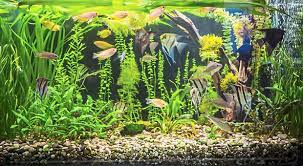
Aquatic ecosystem
An aquarium is a closed artificial ecosystem. Fish and plants are included in the ecosystem by consideration of design, and healthy and balanced habitat.
Abiotic & Biotic Factor
Biotic Factor
The biotic factor of the aquarium ecosystem is an intraspecific interaction among fish. The fish vie for the same resource, which is food and shelter. This interaction is a competitive relationship.

Abiotic Factor
The main parameters of the aquarium creature is the acidity. For freshwater aquarium, the ideal pH varies greatly depending on the fish species to prevent the aquatic pets from stress. Hence, the pH of the aquarium need to be tested to avoid stressing the fish, and preventing fatality.

Decomposing Log This rotten log was found on the sidewalk. It was once a sidewalk plant before it is cut down. Even though it appears to be dead, but it provides damp shelter and food for many plants & animals. Although they are rotten to the core, they still look reasonably intact from the outside. The decomposing log is an example of a natural ecosystem and it is naturally sustainable.

Abiotic & Biotic Factor
Ideal biotic & abiotic conditions allow species to flourish inside and outside of the rotting log.

One of the key abiotic factors of the rotting log is the nutrient availability. The primary agents of decomposition of the log are fungi. These fungi secrete an enzyme which break down the macromolecules lignin and cellulose into simple sugars. The fungi uses these nutrients to support their growth. When fungal bodies die, the nutrients are released into the log for uptake by other organisms.

Living things can be seen virtually are insects, mosses, lichen, and ferns.

The biotic factor of decomposing log is competition interaction of species. Ant can be found in the decomposing log. Apart from their contribution to the decomposition of the log, they also interact with each other. The competition of the ant species exist as to compete for food

Comments